
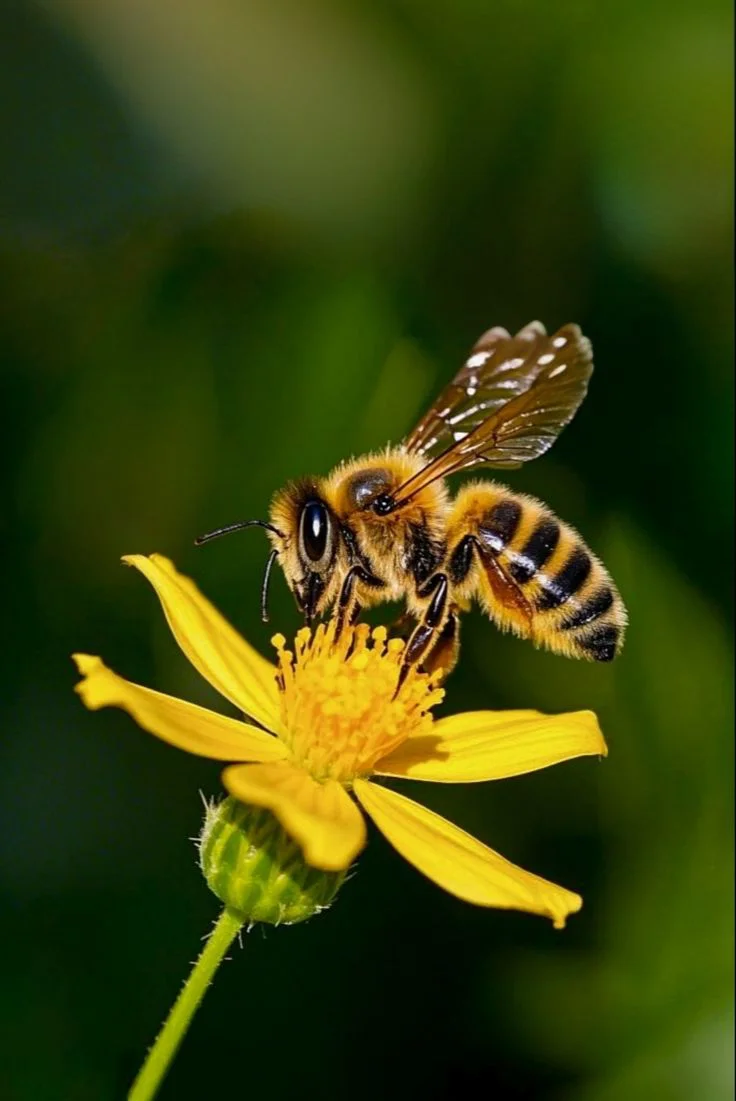
Property management requires a clear distinction between a sanitary risk and an essential component of the local ecosystem. Pollinators do not represent a failure in hygiene or a risk; they are part of the biological engine of the environment.
Having practices focused on conservation guarantees safe spaces without disrupting the region’s natural dynamics.
Identification of Pollinating Agents
The main function of pollinators is to transfer pollen between flowers, allowing fertilization and the growth of new plants and seeds.
To protect pollinators at home, the first step is knowing how to identify them:
- Bees: They are the primary agent globally. There are hundreds of solitary and social species.
- Butterflies and Moths: Direct indicators of the health of the area’s air and vegetation.
- Hummingbirds: High-energy birds that naturally manage the pollination of tubular flowers.
- Specific Wasps and Beetles: Although commonly confused with threats, many wasp species are pollinators and biological controllers of other insects.
| Criteria | Pest | Pollinator |
| Behavior | Invasive, destructive, seeks shelter in internal structures and human food sources. | Focused on vegetation, flowers, and external water sources. Does not seek to enter the property. |
| Impact | Contamination of surfaces and food, damage to materials (wood, wiring). | None. Activity is limited to the perimeter of gardens or green areas. |
| Response | Control, exclusion, and elimination using barriers or treatments. | Respect, relocation (if applicable), and conservation. |
Tactical Practices for Pollinator Care
Maintaining a balanced ecosystem in the green areas of a residence or industrial warehouse requires implementing passive conservation habits.
- Hydration stations: Pollinators need constant water. Place shallow containers with stones or marbles at the bottom that reach (almost) to the surface. This provides a landing area and eliminates the risk of drowning.
- Ideal vegetation: Plant species native to the region. Vernacular plants require less maintenance and match the exact profile that local pollinators need.
- Halting chemical intervention: The use of insecticides or generic over-the-counter formulas in gardens voids any conservation effort. Application without technical control or correctly prepared formulas affects harmful and beneficial species indiscriminately.
Active Conservation and Protection Protocols
Responsible intervention in space control demands rigor and professional experience. This involves protecting bees and pollinating agents through strict relocation and protection protocols, as well as using chemicals in zones that minimize impact on pollinating species.
The operational standard of Fumimax prioritizes the integrity of these species. Eco-friendly pest control allows treatments to target sanitary risk hotspots exclusively, keeping the transit and feeding zones of bees and other agents intact.
Protocol for Bee Swarms in the Bajío Region
The arrival of a passing swarm or the establishment of a beehive in our spaces is a natural process, especially during seasonal changes.
Bees are protected species due to their critical role in ecosystem survival. A beehive must not be attacked, sprayed with water, or subjected to generic control treatments.
Intervention by untrained personnel without AP-level (Apiculture) protective gear, or the use of inappropriate chemicals, triggers a defensive reaction in the swarm, escalating a harmless situation into a severe medical emergency for staff or family.
How to handle a beehive or swarm:
- Isolate the area: Restrict access for people and pets to the immediate area of the beehive or swarm.
- Avoid stimuli: Do not generate loud noises, vibrations, or use machinery near the area if possible.
- Official contact: In the Bajío region, the management, rescue, and relocation of beehives falls under the direct authority of Civil Protection (Protección Civil).
- Handling the situation: Civil Protection units have the training, specialized suits, and local agreements to remove the bees intact and integrate them into safe spaces efficiently without putting others at risk.
Environmental protection and care begin with actions we can all take by recognizing and respecting the species that benefit us all, and learning how to react when we encounter them in our spaces to avoid harming them, and if possible, contribute to their development and that of our surroundings.