
The environment is not solely divided between destructive pests and harmless pollinators. A more complex network of diverse species exists, playing fundamental roles in maintaining the viability and safety of your spaces.
There are animals that commonly trigger visual rejection or fear due to their appearance, but in reality, they are active risk control agents. It is important to learn to identify them to prevent accidentally destroying your first line of natural defense. These are animals that often feed on pests, and their presence in our spaces indicates that something is managing the pests for us.
Environmental Balance
Maintaining a balanced ecosystem in your property’s green areas requires knowing who inhabits them. Indiscriminately eliminating any bug or animal alters the environmental balance and opens the door to real sanitary vulnerabilities. When we get rid of the animals that control pests but fail to eliminate the things that attract them—such as the food, shelter, and water sources present in our spaces—we only invite them to return with greater force.
The key to any successful intervention is precise identification. When assessing a space, we identify and respect the species that act as natural regulators of the environment. These allies keep insect populations that do represent a risk to infrastructure and health at bay. Implementing control routines focused exclusively on true risks guarantees the safety of your space without disrupting the health of your environment.
Animals That Fight Pests
These biological regulators patrol your gardens, warehouses, and outdoor perimeters. Their presence is a technical indicator that the local ecosystem is balanced and working in your favor if we learn to coexist with it:
- Opossums (Tlacuaches): They are harmless nocturnal mammals with high natural resilience. Their diet includes thousands of ticks per week, as well as cockroaches, spiders, and small rodents.
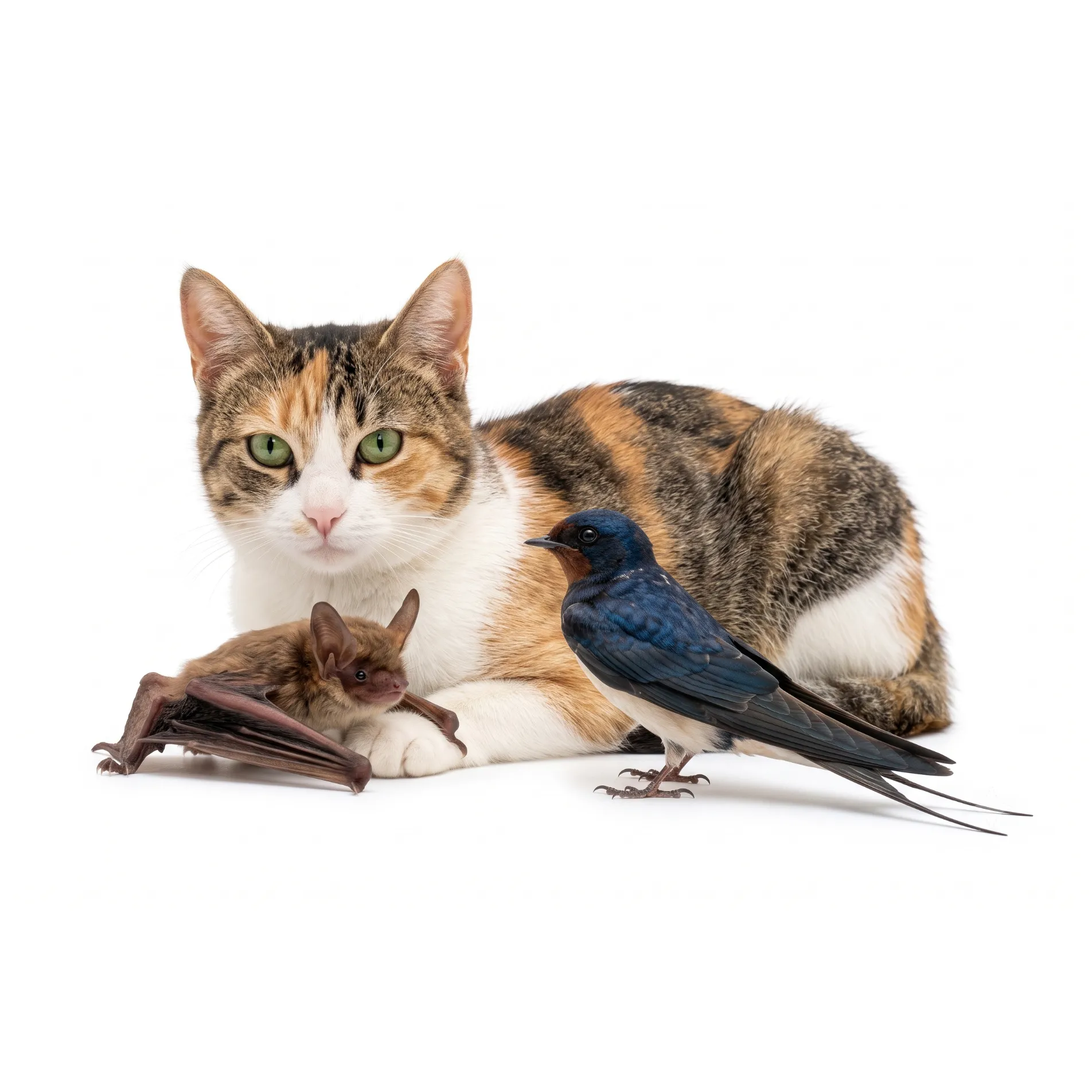
- Bats: A single insectivorous bat consumes up to 1,200 mosquitoes and moths per hour. They are the most efficient aerial control against flying insects that usually infiltrate facilities.
- Garden spiders: Spiderwebs function as highly effective passive traps. They filter the surroundings by catching flies, mosquitoes, and wasps long before they manage to enter indoor areas.
- House centipedes: Although their visual appearance is intimidating, they are territorial predators. They hunt cockroaches, silverfish, and termites directly in dark zones, warehouses, and areas with structural moisture.
- Toads and frogs: They operate at ground level in areas prone to stagnant water. They methodically consume slugs, snails, and ants that would otherwise damage vegetation or invade perimeters.
- Domestic cats: They are instinctive hunters and control populations of rodents and large insects. Caution: They hunt for play and do not distinguish between pests and beneficial wildlife. It is necessary to restrict their access to pollinator areas and remove allied species from their reach to prevent ecosystem damage.
- Lizards and Geckos: They operate on the walls and ceilings of facilities. They hunt mosquitoes, moths, and spiders silently, constantly, and without damaging surfaces.
- Ladybugs (Catarinas): High-impact botanical allies. Their presence is a sign of health in any ecosystem. A single specimen devours thousands of aphids and mites during its lifespan, protecting the vegetation in your green areas.
- Praying mantis: An ambush predator. It keeps leaf-eating insects that destroy gardens under strict control. If spotted, they can be relocated to a plant in our garden or green areas to allow them to continue their role in the ecosystem.
- Birds: Species like swallows, which frequently roam our cities and living spaces, consume massive amounts of insects daily before they can get close to main entry points. Avoiding feeding them bread or other processed foods not only prevents health issues but also encourages them to continue consuming their natural insect diet.
Respect in Daily Life
The technical management of a property requires objectively distinguishing between a real infestation and a natural process. Animals that fight pests do not damage facilities or consume your resources; they operate as natural pest controllers. Learning to identify them and manage them in daily life is a fundamental part of maintaining the health of our spaces and our own.
Having trained technicians who help you combat pests without harming the species that assist you is an indispensable step toward protecting yourself and the people around you.